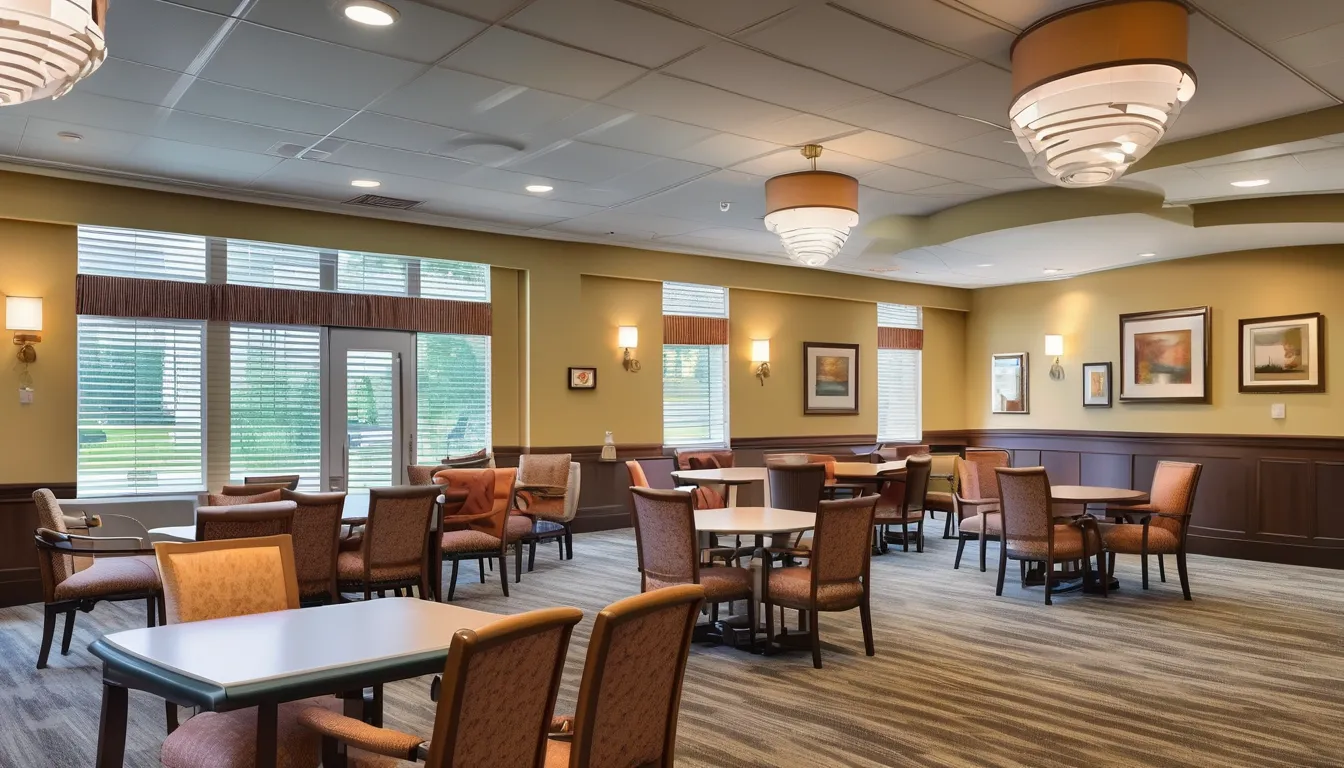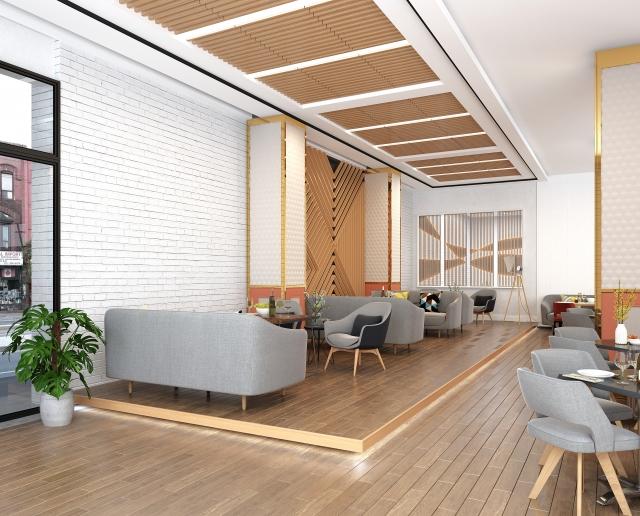
As you embark on your renovation, you’re likely torn between preserving the charm of your home’s original features and incorporating modern amenities that fit your lifestyle. You’re not alone – blending modern and traditional elements is a delicate balancing act that requires careful consideration. By defining your goals, identifying original architectural features to preserve, and thoughtfully introducing modern accents, you’ll be well on your way to creating a space that honors the past while embracing the present. But where do you start, and how do you ensure that your renovation stays true to your vision?
Define Your Renovation Goals
To embark on a successful renovation, you need to define your renovation goals.
What do you want to achieve with your renovation? Are you looking to increase the value of your property, improve functionality, or simply update the style?
Identifying your goals will help you stay focused and ensure that every decision you make aligns with your objectives.
Start by making a list of your must-haves, nice-to-haves, and deal-breakers.
Consider your lifestyle, budget, and personal preferences. Do you need more storage space or a larger kitchen?
Are you willing to compromise on materials or aesthetics to stay within budget?
Be specific and prioritize your goals, as this will influence your design and material choices.
Having clear goals will also help you communicate effectively with your contractor, designer, or architect.
You’ll be able to provide them with a clear direction, ensuring that the final result meets your expectations.
Identify Original Architectural Features
With your renovation goals in mind, you’re ready to explore your home’s existing structure and identify original architectural features worth preserving.
Take a closer look at the exterior and interior of your home, paying attention to details like moldings, archways, columns, and ornate woodwork. These features often define a home’s unique character and charm. Make a list of the features you want to preserve, and take photos to reference later.
Next, examine the floor plan and layout of your home. Consider the natural flow of traffic, the placement of windows, and the location of doors. These elements can greatly impact the functionality and aesthetic of your space.
Identify any unique features, such as built-in cabinetry or decorative ceiling details, that could be repurposed or restored. By preserving these original elements, you’ll maintain the historical integrity of your home while incorporating modern touches.
Choose Modern Accents Wisely
Beyond the original architectural features you’re preserving, it’s time to inject modernity into your space.
You’ll want to introduce modern accents that complement, rather than clash with, the traditional elements. Start by selecting a few statement pieces that reflect your personal style, such as a sleek light fixture or a bold piece of artwork.
These modern accents will help create visual interest and draw the eye to specific areas of the room.
When choosing modern accents, consider the overall aesthetic you want to achieve.
If you’re going for a cohesive look, select pieces that share a common material, color, or texture. For a more eclectic vibe, mix and match different styles and periods.
Remember, the key is to strike a balance between old and new. Avoid over-accessorizing, as this can make the space feel cluttered and chaotic.
Balance Old and New Materials
You’ve curated a selection of modern accents that complement your traditional elements, now it’s time to think about the materials that will bring your space together.
Consider combining old and new materials to create a unique blend of styles. For example, pair reclaimed wood with sleek metal accents or vintage fixtures with modern countertops. This contrast will add depth and visual interest to your space.
When selecting materials, think about the character they’ll bring to your renovation.
Natural materials like wood, stone, and brick can add warmth and coziness, while industrial materials like metal, concrete, and glass can provide a sleek, modern feel.
Don’t be afraid to mix and match materials to create a look that’s all your own. Just be sure to balance your materials thoughtfully, as too many different textures and styles can create visual chaos.
Unify With Consistent Design
Embracing a consistent design language is key to harmonizing your modern and traditional elements. By doing so, you’ll create a cohesive look that ties together disparate styles.
Start by identifying the design elements that you want to carry throughout your space, such as a specific color palette, texture, or architectural feature. Use these elements consistently in your design decisions, from flooring to fixtures, to create a sense of continuity.
As you make design choices, ask yourself if they align with your established language. If a particular element feels out of place, consider replacing it with something that better fits your vision.
Consistency doesn’t mean uniformity, however. You can still incorporate unique pieces and unexpected touches to add personality to your space. The goal is to strike a balance between consistency and creativity, allowing your modern and traditional elements to coexist in harmony.
Conclusion
By following these guidelines, you’ll create a space that beautifully blends modern and traditional elements. You’ll preserve the character of your original 水回り リフォーム while incorporating fresh, contemporary touches. The result will be a unique, cohesive look that feels both timeless and modern. You’ll have a space that honors its heritage while meeting your current needs, making it perfect for enjoying and sharing with others.