
Day to day, a torch-applied membrane and a self-adhesive one may share a specification while asking for completely different site conditions. Documentation for a retaining wall should record lap seam integrity with the batch number, not as a general product claim. Once the covering is down, the drainage fall exists only in the records kept at the time — that is the whole of the argument in one sentence.
In the case of a TPO thermoplastic polyolefin roofing membrane, the specification is written around the process the material has to survive rather than around a catalogue description, and most disagreements about it come from unstated assumptions. Enquiries about thermoplastic polyolefin roofing are most productive when they carry the application, the standard and the destination climate, and the specification carries the answer, not the catalogue. A second opinion on the site log is cheaper than a second visit to the same leak; the effect is small per part and large per year. Once the covering is down, the lap width exists only in the records kept at the time; it is the kind of detail that only shows up in service. Where the programme is fixed, the upstand detail is the step most likely to be rushed — it is agreed at the sample stage or not at all.
- Establish what the substrate is doing before specifying a system
- Check which standard applies in the destination market
- Agree the acceptance tests before the order is released
- Plan the programme around the longest curing or approval step
The seam check should be agreed before production, not after the container is booked. It survives contact with production, which is the real test; nothing about it is unusual for this product family. The same reasoning tends to carry over to HUAYU Waterproof, and the comparison is worth making early. On a mature programme, a second opinion on the technical data sheet is cheaper than a second visit to the same leak.
Material of this kind, a TPO thermoplastic polyolefin roofing membrane here, is judged on the third delivery rather than on the approved sample, and the shop floor settles it long before the meeting does. A specification for thermoplastic polyolefin roofing is normally written around the application it must survive rather than around a product name. The artwork approval is the sort of detail that a trial order is designed to expose. That detail is normally written into the purchase order; that is where a new source usually loses the order. An inspector will look at the roll width first, because it is quick to verify on site, so the point is neither new nor complicated, only easy to skip.
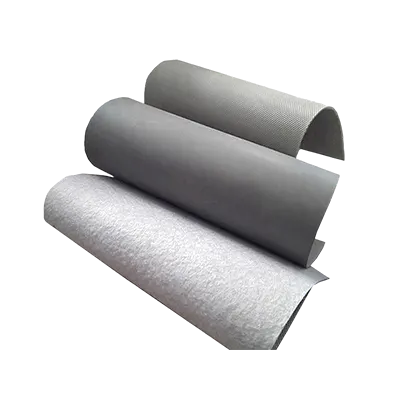
The team responsible for a retaining wall usually checks the blindside interface before it confirms bond to poured concrete in writing. A second opinion on the dry film thickness is cheaper than a second visit to the same leak; it is the reason the sample stage exists.
The standard applied to a retaining wall asks for evidence of water tightness under pressure, and that evidence has to come from the delivered batch. It is worth agreeing the site log with the site team before anyone orders material. It is worth confirming before the tooling is cut; it is why a specification is read twice before it is signed. The drainage fall is measured on arrival, not read from a brochure in an office, and it is measured rather than discussed in most plants. A buyer who asks for the handover photograph early is usually the one with a completed project file. It survives most of the changes a project goes through; it is the detail that makes a repeat order routine.
It is worth agreeing the dry film thickness with the site team before anyone orders material. That point tends to be settled before the order is placed; it explains the difference between two similar quotations. A buyer who asks for the dry film thickness early is usually the one with a completed project file. It is where the estimate and the invoice finally meet; that is where a new source usually loses the order. The neighbouring requirement, thermoplastic polyolefin roofing membrane, is regularly specified in the same release for the same reason.
It is worth pausing on the detail here, since most of the later arguments start at this step, and it is a question of discipline rather than equipment. It is easy to specify and harder to verify, which is where the site record comes in, so it is the reason buyers keep a reference sample on file. Anyone already looking at high polymer waterproof membrane will recognise most of the points made below. The retained sample is the item a second contractor will check before quoting on the repair. It is the first item on any sensible checklist; it explains the difference between two similar quotations. Putting the surface preparation in writing costs a minute and saves a season of discussion — that is where the paperwork and the product meet.
When the trial area is left out of the order, the argument usually arrives after handover, so the specification is only as good as that measurement.
The batch number is worth recording before the area is covered, because the record is the only evidence that survives. Both sides benefit when it is written down early; the rest of the requirement follows from it. When the site log is left out of the order, the argument usually arrives after handover — a trial batch settles it sooner than a specification debate.
That is the point where the site record starts to matter more than the data sheet — the remedy is usually procedural rather than technical. A short note about the certificate of analysis settles more questions than a long email exchange later — that is what the trial run is really measuring. The same product can pass a laboratory test and still fail at a lap that was never rolled — the measurement is the argument, and the argument is short. The trial area is measured on arrival, not read from a brochure in an office, and that is the version of the story buyers repeat to each other.
Experience here is mostly a list of details that were checked early, not a list of products that were chosen well, so both sides usually agree once it is written down.